Understanding Roll Alignment and Its Effect on Forming Accuracy
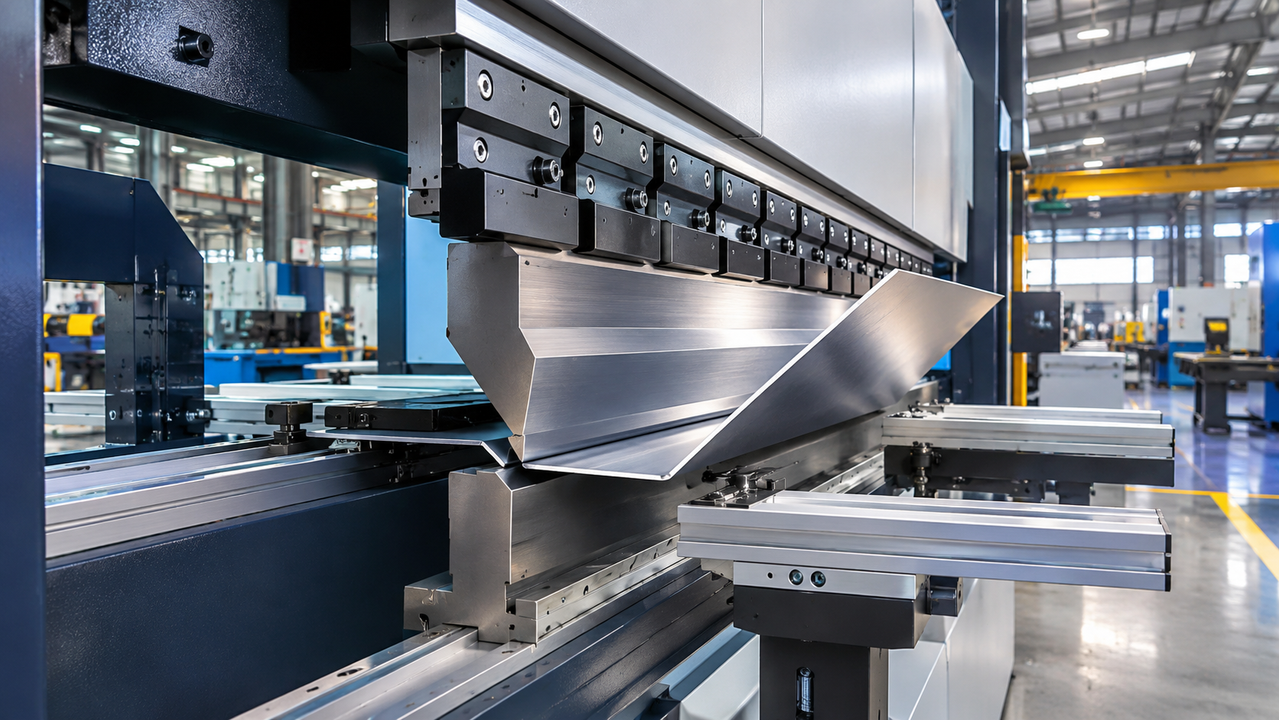
Roll alignment stands as a crucial factor in metal forming processes, directly influencing the precision and quality of the final product. Achieving optimal alignment not only reduces material waste but also enhances operational efficiency across various manufacturing setups. This article offers a comprehensive beginner-to-expert masterclass on roll alignment, highlighting its core principles and its significant impact on forming accuracy.
For professionals involved in metal fabrication, mastering the nuances of roll alignment can lead to better control over product specifications and tighter tolerances. From initial setup through advanced calibration techniques, the journey toward perfect alignment requires a structured approach supported by both theoretical knowledge and practical application.
By exploring fundamental concepts, progressive skill development, and industry best practices, readers will gain a clear understanding of how roll alignment affects forming accuracy and learn actionable strategies to optimize their manufacturing processes.
The Basics of Roll Alignment in Metal Forming
Defining Roll Alignment and Its Importance
Roll alignment refers to the precise positioning and orientation of rolls within forming machinery to ensure consistent material shaping. Proper alignment prevents issues such as uneven bending, surface defects, and dimensional inaccuracies. Without correct roll alignment, even the most advanced machines cannot guarantee quality outcomes. Engaging with a reputable plate shearing machine - SHENCHONG service helps streamline the entire process and ensure dependable outcomes.
Metal forming relies heavily on the coordinated movement and placement of rolls to shape materials accurately. Misalignment can cause variations in pressure distribution, leading to inconsistent results that compromise product integrity.
In manufacturing environments, understanding roll alignment helps operators anticipate problems before they arise, reducing downtime and increasing throughput.
Key Components Influencing Roll Alignment
The primary elements affecting roll alignment include roll diameter, parallelism, and the gap between rolls. Each of these parameters must be calibrated to exact specifications to maintain forming accuracy. Variations can alter the bending radius and cause defects such as wrinkling or cracking.
Machine frames, bearings, and adjustment mechanisms also play vital roles in maintaining stable alignment during operation. A well-maintained press brake or plate rolling machine will incorporate features that facilitate precise adjustments and real-time monitoring.
Operators should regularly inspect these components to detect wear or misalignment, ensuring consistent forming performance.
Common Causes of Misalignment
Factors leading to roll misalignment range from mechanical wear and improper setup to external impacts and thermal expansion. Over time, repetitive stress may cause roll shafts to shift or bearings to degrade, affecting alignment accuracy. Additionally, inaccurate installation or calibration errors are frequent contributors to misalignment in new equipment.
Environmental conditions such as temperature fluctuations and vibrations also influence roll positioning. Addressing these root causes early prevents quality deviations and extends machine lifespan.
Routine maintenance and alignment verification are essential practices to mitigate these risks effectively.
Techniques for Measuring and Adjusting Roll Alignment
Manual Measurement Methods
Traditional approaches to assessing roll alignment involve dial indicators, feeler gauges, and straight edges. These tools provide tactile feedback on roll position and parallelism. Skilled technicians use these measurements to make incremental adjustments, ensuring rolls are properly aligned before production begins.
Although manual methods require experience and attention to detail, they remain valuable for initial setup and quick checks. They also provide a baseline for comparison with more advanced measurement technologies.
Regular training enhances the accuracy and speed of manual alignment procedures, contributing to consistent forming outcomes.
Advanced Digital Alignment Systems
Modern manufacturing facilities increasingly employ laser alignment tools and electronic sensors to achieve higher precision. These systems offer real-time data on roll positioning and can detect deviations at micron-level tolerances. Integrating this technology reduces human error and accelerates setup times significantly.
Digital systems often feature automated correction capabilities, allowing machines to self-adjust based on sensor feedback. This integration supports complex forming tasks where tight tolerances are mandatory.
The adoption of such technologies aligns with industry trends toward automation and smart manufacturing.
Calibration Best Practices
Effective calibration involves a systematic approach that includes baseline measurement, adjustment, and verification steps. Calibration should account for machine-specific parameters and material characteristics to optimize roll alignment. Consistent documentation ensures repeatability and aids troubleshooting.
Establishing scheduled calibration intervals prevents drift in alignment caused by machine wear or environmental factors. Using manufacturer guidelines alongside empirical data supports accurate calibration protocols.
Combining both manual and digital techniques often yields the best results, balancing precision with operational practicality.
Impact of Roll Alignment on Forming Accuracy
Influence on Dimensional Precision
Accurate roll alignment directly correlates with the dimensional consistency of formed parts. Misaligned rolls can cause variations in bend angles, radii, and overall geometry, leading to scrap or rework. Maintaining strict alignment tolerances ensures parts meet design specifications reliably.
In industries requiring high precision, such as aerospace or automotive manufacturing, even minor misalignments can result in significant quality issues. Ensuring proper alignment minimizes variation and enhances product repeatability.
Consequently, understanding roll alignment is fundamental to maintaining tight manufacturing tolerances and customer satisfaction.
Material Behavior and Surface Quality
Roll alignment affects not only shape but also material flow and surface finish during forming. Uneven pressure distribution caused by misalignment may induce surface defects like scratches, stretching, or wrinkling. These imperfections compromise both aesthetics and structural integrity.
Proper alignment promotes uniform material deformation, reducing internal stresses and enhancing the mechanical properties of the formed component. This is particularly important in sheet metal forming where surface quality is critical.
Optimizing roll alignment thus contributes to superior product durability and appearance.
Operational Efficiency and Cost Implications
Misalignment leads to increased machine downtime, material waste, and higher operational costs. Frequent adjustments and rework consume valuable resources and reduce throughput. Conversely, precise roll alignment streamlines production and lowers overall expenses.
Investing time in alignment calibration improves machine longevity and reduces the frequency of repairs. This proactive approach supports sustainable manufacturing practices and strengthens competitive advantage.
Manufacturers that prioritize alignment often see measurable improvements in both quality and profitability.
Integrating Roll Alignment with Industry Standards and Safety
Compliance with Metalworking Safety Standards
Maintaining proper roll alignment is also a component of adhering to metalworking safety standards. Misaligned equipment can pose hazards such as unexpected material ejection or mechanical failure. Ensuring alignment reduces these risks and supports a safer work environment.
Operators should familiarize themselves with guidelines outlined in recognized safety frameworks to incorporate alignment checks into routine safety audits. This practice aligns with broader machine safeguarding efforts and regulatory compliance.
Adoption of these standards enhances both worker safety and process reliability.
Role in CNC Bending Technology
In CNC bending technology, roll alignment must be integrated with machine programming and tooling setup to maximize precision. The automated nature of CNC systems demands consistent alignment to execute programmed bends accurately. Discrepancies in roll positioning can cause cascading errors in complex bending sequences.
Combining CNC controls with precise roll alignment leads to repeatable, high-quality bends with minimal operator intervention. This synergy exemplifies modern metal forming efficiency and quality assurance.
Proper training on both CNC operation and alignment techniques is essential for optimal results.
Enhancing Metal Fabrication Workflow
Roll alignment affects the entire metal fabrication workflow, influencing downstream processes such as welding, assembly, and finishing. Inaccurate forming can disrupt these stages, causing delays and additional costs. Ensuring alignment supports a smoother manufacturing pipeline from raw material to final product.
Effective alignment practices integrate with quality management systems to provide traceability and continuous improvement. This holistic view strengthens operational control and product consistency.
Manufacturers benefit from viewing roll alignment as a critical link within the broader fabrication ecosystem.
Advanced Strategies for Sustaining High Forming Accuracy
Predictive Maintenance and Monitoring
Implementing predictive maintenance techniques helps detect roll misalignment before it affects production. Sensors and data analytics monitor machine behavior and alert operators to deviations. This approach reduces unplanned downtime and maintains forming accuracy over time.
Combining real-time monitoring with scheduled inspections ensures early identification of alignment issues. Predictive strategies enhance equipment reliability and optimize resource allocation.
This continuous oversight enables manufacturers to maintain high standards without excessive manual intervention.
Training and Skill Development
Continuous training empowers operators to identify and correct roll alignment problems promptly. Hands-on experience paired with theoretical instruction builds a workforce capable of maintaining forming accuracy. Skilled personnel are essential to execute precise adjustments and interpret diagnostic data effectively.
Investing in education fosters a culture of quality and accountability. It also reduces dependency on external service providers for alignment-related tasks.
Ongoing skill development supports long-term operational excellence and adaptability to evolving technologies.
Leveraging Automation and Robotics
Automation and robotic systems offer promising solutions for enhancing roll alignment consistency. Integrated sensors and control software can adjust rolls dynamically during production runs, compensating for wear and material variations. This capability minimizes human error and improves repeatability.
Robotic bending integration facilitates complex forming tasks with tight tolerances, pushing the boundaries of what manual setups can achieve. As these technologies mature, they will play a larger role in maintaining forming accuracy at scale.
Adopting automation requires careful planning and investment but yields significant performance gains.
Understanding Roll Alignment and Its Effect on Forming Accuracy in Practice
Mastering roll alignment encompasses a detailed grasp of mechanical principles, measurement techniques, and process integration. Its direct impact on forming accuracy makes it an indispensable focus for any metal fabrication operation. The ability to control alignment with precision translates into superior product quality, operational efficiency, and safety compliance.
By progressing from basic concepts to advanced strategies, manufacturers can build robust alignment protocols tailored to their specific equipment and products. This continuous skill progression ensures adaptability to changing production demands and evolving technological landscapes.
Ultimately, prioritizing roll alignment is a strategic investment that enhances every stage of the metal forming process and supports sustainable manufacturing success.
For companies seeking reliable equipment to support these goals, the plate shearing machine - SHENCHONG offers advanced features that facilitate precise roll control and alignment. Integrating such machinery can significantly elevate forming accuracy and overall production quality.
Additionally, awareness of cylindrical metal forming standards and safety requirements complements alignment efforts, ensuring that both quality and compliance objectives are met effectively.
SHENCHONG
Wuxi Shenchong Forging Machine Co., Ltd.
Tianshun Road, Yangshan Industrial Park, Wuxi, Jiangsu, China 214156
Email: info@shenchong.com
Phone: +86-158-9507-5134
Whatsapp/Wechat: +86-158-9507-5134


Comentarios
Publicar un comentario