How to Prevent Moss and Algae Growth on Tiled Roofs
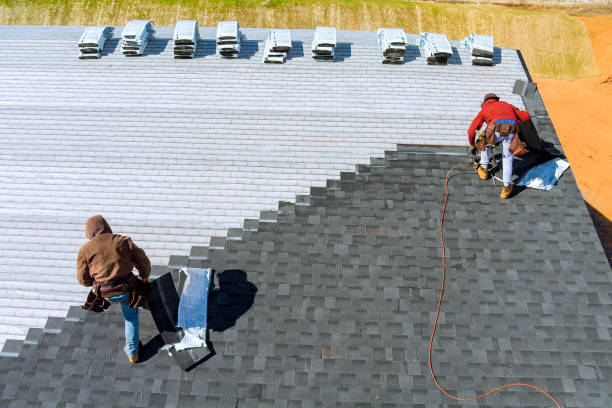
Moss and algae growth on tiled roofs is a persistent issue for many homeowners, leading to potential damage and costly repairs if left unchecked. Knowing how to prevent moss and algae growth on tiled roofs helps protect your investment and ensures the longevity of your roofing system. This article addresses common challenges and provides practical solutions for managing and preventing these unwanted growths effectively.
Excess moisture, shade, and organic debris often create ideal conditions for moss and algae to thrive on tiled roofs. Identifying the root causes behind these conditions is crucial to developing a targeted prevention strategy. We will explore techniques to troubleshoot these problems and implement long-term solutions that maintain the roof’s integrity and appearance.
Diagnosing Common Causes of Moss and Algae on Tiled Roofs
Environmental Factors Encouraging Growth
Shaded areas on a roof tend to retain moisture longer, creating a favorable environment for moss and algae. Tree coverage and nearby vegetation block sunlight, preventing tiles from drying quickly after rain. This combination of shade and dampness is a primary cause of growth on tiled surfaces.
Seasonal weather patterns also contribute to moss and algae proliferation. Frequent rainfall and high humidity increase moisture levels, which encourages these organisms to establish and spread. Addressing these environmental influences is key to reducing the risk of roof contamination.
Structural and Maintenance Issues
Poor roof ventilation and inadequate drainage exacerbate moisture retention, further promoting moss and algae development. Blocked gutters or damaged tiles can trap water, creating hotspots for growth. Regular inspections to identify these weak points can prevent serious problems from escalating.
Accumulated organic debris, such as leaves and twigs, provides nutrients and shelter for moss and algae colonies. Failure to clear this debris allows these organisms to flourish unchecked. Proper roof maintenance routines are essential to eliminate such growth triggers.
Material Vulnerabilities in Tiled Roofs
Certain tile materials, like porous concrete or clay, absorb moisture more readily, increasing susceptibility to moss and algae. Surface roughness also affects how easily spores can attach and spread. Selecting appropriate roofing materials plays a significant role in minimizing these risks.
Understanding the interaction between tile composition and environmental exposure helps in tailoring preventive measures. This knowledge assists in choosing the right cleaning and treatment approaches for different roof types.
Step-by-Step Solutions for Preventing Moss and Algae Growth on Tiled Roofs
Improving Roof Ventilation and Drainage
Ensuring proper airflow beneath the roof tiles accelerates drying and reduces dampness. Installing ridge vents or soffit vents helps maintain balanced ventilation, limiting moisture buildup. Additionally, maintaining clear and functional gutters allows water to drain away efficiently, preventing pooling on the roof surface.
In some cases, consulting professionals specializing in tile roof replacement in London can identify and rectify hidden ventilation and drainage issues. These experts provide tailored solutions that improve roof durability and resistance to biological growth.
Regularly scheduled inspections during seasonal changes also help detect early signs of drainage and ventilation problems before moss and algae take hold.
Removing Existing Moss and Algae Safely
Manual removal using gentle brushing or scraping can clear visible moss and algae without damaging tiles. Avoid high-pressure washing as it can erode tile surfaces and worsen the problem. Following this, applying a suitable biocide treatment inhibits regrowth by disrupting the organisms’ lifecycle.
Choosing eco-friendly, tile-safe chemical treatments is advisable to protect surrounding vegetation and the roof’s integrity. Repeat treatments may be necessary, especially in areas prone to moisture and shade.
After removal, cleaning gutters and downspouts thoroughly prevents spores from traveling and recolonizing roof areas.
Implementing Preventive Roof Treatments
Applying water-repellent coatings or algaecide-infused sealants creates a protective barrier on tile surfaces. These treatments reduce moisture absorption and make it difficult for moss and algae to establish. Routine reapplication according to manufacturer guidelines sustains their effectiveness over time.
Incorporating zinc or copper strips near the roof ridge can also deter growth, as rainwater washes trace metals down, creating an inhospitable environment. This method is safe and requires minimal maintenance once installed.
Using durable, weather-resistant tiles designed to resist biological growth further enhances long-term protection.
Addressing Installation and Material Selection Mistakes
Common Installation Flaws That Promote Growth
Incorrect tile alignment or improper sealing allows water penetration and pooling, fostering moss and algae development. Insufficient roof slope can also hinder effective drainage, causing moisture retention. Ensuring compliance with roofing standards during installation is critical to prevent these problems.
Engaging skilled professionals with experience in tile roof repair in London guarantees that installation challenges are addressed properly. Their expertise helps avoid costly corrections and enhances the roof's resilience against biological growth.
Proper flashing and sealant application around roof features like chimneys and skylights prevent moisture ingress and reduce growth risks in vulnerable areas.
Choosing the Right Roofing Materials for Longevity
Selecting tiles with low porosity and smooth finishes minimizes moisture retention and spore attachment. Materials such as glazed ceramic or treated concrete tiles offer increased resistance to moss and algae. Matching tile choice to local climate conditions further optimizes prevention efforts.
Incorporating guidance on roofing workmanship standards during material selection and installation ensures durability and proper protection against environmental factors. This approach extends the roof's lifespan and reduces maintenance needs.
Consulting product performance data and manufacturer recommendations aids in making informed decisions tailored to specific roofing contexts.
Maintenance Practices That Reduce Recurrence
Regularly scheduled roof inspections and cleaning remove organic debris before it supports moss and algae growth. Clearing gutters and downspouts maintains effective water flow and prevents moisture buildup. Timely repairs of damaged tiles and seals close off entry points for moisture and spores.
Implementing a proactive maintenance plan reduces the frequency and severity of biological growth, protecting the roof’s structural integrity. Homeowners benefit from lower repair costs and improved aesthetic appeal over time.
Documenting maintenance activities also assists in warranty claims and future roofing assessments.

Optimizing Landscaping and Surrounding Environment
Managing Shade and Vegetation Near Roofs
Pruning overhanging branches allows more sunlight to reach the roof, accelerating drying times and discouraging moss and algae. Removing dense foliage near the roof perimeter reduces organic debris accumulation. These landscaping adjustments directly impact roof surface conditions. Working with experienced roofing workmanship standards providers ensures transparent handling and competitive market value.
Careful planning of tree placement and species selection minimizes shading and leaf litter. This strategy complements roof maintenance by addressing external factors contributing to biological growth.
Regular monitoring of surrounding vegetation helps maintain an environment less favorable to moss and algae proliferation.
Controlling Moisture Sources Around the Roof
Redirecting water runoff from nearby structures and landscaping features prevents excess moisture near roof edges. Proper grading around the building foundation reduces water pooling that can lead to increased humidity levels. These measures limit the moisture available for moss and algae development.
Installing gutter guards and downspout extensions also aids in controlling water flow and debris accumulation. Together, these adjustments create a drier, cleaner roof environment less prone to growth issues.
Addressing moisture at its source is a foundational step in long-term prevention strategies.
Using Physical Barriers and Treatments in Landscaping
Applying gravel or mulch barriers beneath trees and near roof eaves reduces organic matter transfer to tiles. These physical layers act as buffers, minimizing the spread of spores and debris. Combining barriers with regular cleaning enhances overall roof cleanliness.
Incorporating algaecidal treatments in landscaping maintenance can further suppress moss and algae in adjacent areas. This integrated approach strengthens roof protection by managing environmental contributors comprehensively.
Homeowners should coordinate roof care with garden management to maximize prevention effectiveness.
Securing Lasting Outcomes Against Moss and Algae Growth
Establishing Routine Inspection and Maintenance Schedules
Consistent monitoring identifies early signs of moss and algae before significant damage occurs. Scheduling inspections after major weather events ensures timely detection and intervention. Routine cleaning and treatment applications maintain roof health and appearance.
Setting reminders for seasonal maintenance helps homeowners stay on track with preventive care. This proactive approach reduces costly repairs and extends the roof's functional lifespan.
Professional roofers can provide tailored inspection plans aligned with local climate and roof conditions.
Investing in Quality Repairs and Upgrades
Promptly addressing damaged or worn tiles prevents moisture ingress and growth hotspots. Upgrading roofing materials to those with enhanced resistance properties improves long-term protection. High-quality workmanship during repairs ensures secure sealing and proper drainage.
Engaging certified experts specializing in tile roofing in London helps guarantee that repairs meet required standards. Their knowledge supports durable solutions that minimize moss and algae recurrence.
Documenting repair history assists in managing future maintenance and warranty claims effectively.
Educating Homeowners on Preventive Best Practices
Awareness of factors contributing to moss and algae growth empowers homeowners to take timely action. Understanding the importance of roof ventilation, drainage, and material selection guides effective decision-making. Sharing knowledge about safe cleaning methods prevents roof damage during maintenance.
Community resources and professional advice offer valuable insights into sustainable roof care. Staying informed supports long-term roof performance and aesthetic value.
Ultimately, combining education with practical measures creates a comprehensive defense against moss and algae on tiled roofs.
How to Prevent Moss and Algae Growth on Tiled Roofs for Long-Term Protection
Effectively preventing moss and algae growth on tiled roofs requires a multifaceted approach focused on identifying root causes and applying targeted solutions. Combining improved ventilation, proper drainage, appropriate material selection, and regular maintenance establishes a resilient roof environment. Adjusting surrounding landscaping to reduce shade and moisture further supports prevention efforts.
Homeowners committed to these strategies benefit from enhanced roof durability and reduced repair costs. Continued vigilance and professional guidance ensure that roofs remain clean, functional, and visually appealing over time.
By mastering how to prevent moss and algae growth on tiled roofs, you safeguard your property’s value and comfort for years to come.
A&A Roofing Solutions
Address: 17 Honey Lane, Waltham Abbey, United Kingdom
Phone No.: +44 800 048 5580
Map Location: https://maps.app.goo.gl/o1Ja2ikKhnfLQY5f8


Comentarios
Publicar un comentario